

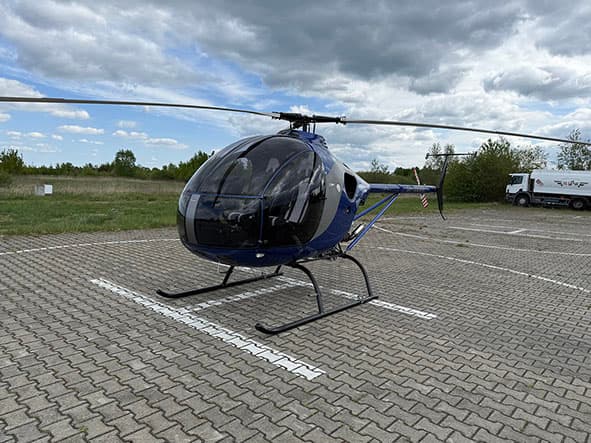
Two-Seat Helicopters: What They Cost to Buy and Run
The purchase is the figure people ask for. The hourly rate is the one that decides it.
A two-seat ARGO AH-22 is published from £220,000 excluding taxes and delivery, and costs about £97 per flying hour to run at 150 hours a year - falling to roughly £82 at 300 hours and £76 at 500. The largest single line is fuel, at about £35 an hour, because it burns 25 litres an hour of ordinary 95-octane road petrol rather than avgas. Those are the manufacturer's own fair-basis figures, May 2025, tax excluded.
Set out by Argo Aero UK, United Kingdom dealer for Manufaktura Lotnicza - we sell this helicopter, so read the recommendation knowing that, and check the figures against the manufacturer's operating-cost breakdown and the flight manual, both of which we publish in full.
The hourly rate, at three usages
One aircraft, three owners, three different numbers - because the fixed costs do not care how much you fly.
| 150 hours a year | £97.23 per flying hour |
|---|---|
| 300 hours a year | About £82 |
| 500 hours a year | About £76 |
If you fly 50 hours a year, none of these three numbers is yours. Work the fixed costs out separately and divide by your own hours - that is the only figure that describes your ownership.
What actually makes a helicopter cheap to run
In the order these move the number, rather than the order people worry about them.
1. The fuel it drinks, and which fuel
The largest single line, and the one with the widest spread between aircraft. The AH-22 burns about 25 litres an hour of ordinary 95-octane road petrol - roughly £34.88 an hour. A helicopter that requires avgas pays more per litre for the same hour, and has to be somewhere that sells it.
2. Hours flown per year
Insurance, hangarage, the annual inspection and the airworthiness review cost the same whether you fly 50 hours or 500. Spread over more hours they shrink per hour, which is why the same aircraft costs £97 an hour at 150 hours and about £76 at 500.
3. Overhaul intervals
Rotor blades, gearboxes and the engine all carry a life or a time between overhauls, and the reserve you should be putting aside for each is a real hourly cost even in a year when nothing is replaced. The AH engine TBO is 2,000 hours.
4. Where you keep it
Hangarage varies more than anything else on this list and is the one figure nobody else can quote for you. A helicopter needs no runway - take-off and landing distance is zero - which widens the choice of where it can live.
The petrol point, in full
It is the least glamorous line on the page and the one that compounds hardest. The AH runs on the fuel a car runs on - 95 to 98 octane unleaded. Over 150 hours a year that is a difference measured in thousands rather than tens.
And the second half of it is not about money at all. Avgas has to be somewhere that stocks it; road petrol is everywhere. That widens the map of where the aircraft can be based and where it can be filled on a long day out - which for most private owners matters more than the pence per litre.
The weight sum to do first
A two-seat helicopter has two seats. Whether it can carry two adults and full fuel is a separate question, and it is the one buyers work out last when it should be first.
The AH-22 has a 600 kg maximum take-off weight against an empty weight of about 380 kg. That leaves roughly 220 kg for people and fuel, and a full 2.6 hours of fuel is about 47 kg. Do that arithmetic with your own two names in it before you do anything else.
The rest of the numbers: 320 km range including a 10% reserve, about three hours in the air, vertical take-off and landing - and what limits endurance in practice is covered separately.
Before you decide it has to be a helicopter
We sell gyroplanes too, so here is the comparison we would rather you saw from us than found later. On the same method, a gyroplane runs at £89.11 an hour against £97.23 here - about 9% apart, not the several-fold gap people assume. The hourly cost is not the reason to choose between them.
The purchase price and the licence are, and one question settles it: do you need to hover. If you do, nothing else will do that job and the helicopter is worth what it costs. If you do not, you are paying for a capability you will not use.
Frequently asked questions
How much does a two-seat helicopter cost to run?
For the ARGO AH-22, about £97 per flying hour at 150 hours a year, £82 at 300 and £76 at 500, on the manufacturer's own fair-basis estimate of May 2025, excluding tax. Fuel is the largest line at about £35 an hour, because it burns 25 litres an hour of ordinary 95-octane road petrol rather than avgas. Fixed costs - hangarage, insurance, the annual - do not change with hours flown, which is why the per-hour figure falls as you fly more.
What makes a helicopter cheap to run?
Four things, in order of how much they move the number: which fuel it burns and how much of it, how many hours a year you fly, the overhaul reserves you should be setting aside for the rotor system and engine, and where you keep it. Fuel type is the one people overlook - a helicopter certified on ordinary road petrol avoids both the price and the availability problem of avgas.
How much does a small helicopter cost to own?
Two figures, and they behave differently. The purchase is a one-off: the ARGO AH-22 is published from £220,000 excluding taxes and delivery, with classic instruments. Running it is the recurring one, at about £97 a flying hour at 150 hours a year. The second figure is the one that decides whether ownership is comfortable, and it is the one most buyers work out last.
What is a two-seat helicopter capable of carrying?
Less than people assume, and it is worth doing the sum before you buy rather than after. The AH-22 has a 600 kg maximum take-off weight against an empty weight of about 380 kg, leaving roughly 220 kg for people and fuel. A full 2.6 hours of fuel is about 47 kg. Two adults and full tanks is a calculation, not an assumption.
How far can a two-seat helicopter fly?
The ARGO AH-22 gives 320 km on standard tanks including a 10% reserve, and about three hours in the air at 25 litres an hour, from 75 litres standard or up to 120 with the additional tank. Those are the POH figures, and the flight manuals are published on this site so you can check them.
Is a gyroplane cheaper to run than a two-seat helicopter?
Barely, and the honest answer surprises people. On the same manufacturer's method, the ARGON gyroplane runs at £89.11 a flying hour against £97.23 for the AH-22 at 150 hours a year - about 9% apart, not the several-fold gap usually assumed. The real difference is the purchase price and the licence, not the hourly cost. What a helicopter buys you for that money is the hover.
And the route people ask about next: whether this is a kit helicopter - the manufacturer's answer is no.
Before the money, the choosing: six tests for a two-seat helicopter - in the order that actually decides it.