

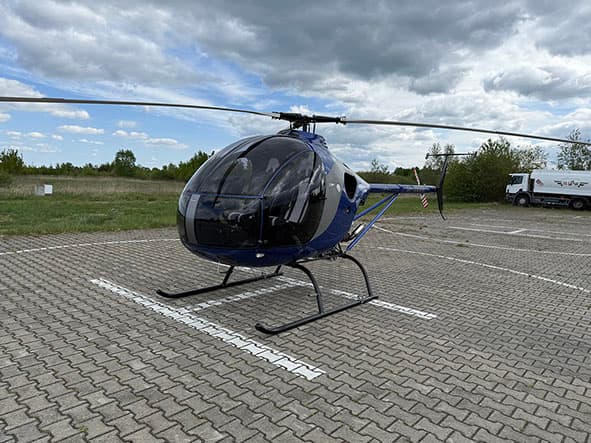
How Much Does a Helicopter Licence Cost in the UK?
£40,000 to £50,000 - and the other rotorcraft licence, which is £8,500
£40,000 to £50,000 is what UK schools quote for a private helicopter licence, the PPL(H), from a standing start. The CAA minimum is 45 hours. The British average is somewhere between 60 and 90, and that gap is where the bill is decided.
We sell helicopters, so this is not a number we enjoy writing. We also sell gyroplanes, and there is a second UK rotorcraft licence that hardly anybody weighing this decision has heard of. Both belong in the same answer, and you should have both before you spend anything.
Where the money goes
The licence itself is not the expensive part. The aircraft hour is. UK schools charge from about £350 plus VAT for an hour of dual instruction in a Robinson R22, around £395 in a Guimbal Cabri G2, and about £500 in an R44. On top of the flying: a medical, ground school and the five theory papers, study materials, landing fees, and the driving.
Multiply the R22 rate by 45 hours and you get roughly £16,000, which is nowhere near the quoted figure. Multiply it by the 70 or 80 hours most people actually fly and add everything else, and you arrive at £40,000 without anybody having overcharged you.
Why it overruns, and why that is nobody's fault
One word: the hover.
It is the hardest thing to learn in light aviation, and there is no shortcut through it. A student sits over one spot making constant corrections in three axes, and it stays impossible until quite suddenly it is not. Most of the hours between the CAA minimum and the national average go there. No school can discount it away, because it is not a fee - it is a skill, and skills cost time in the air.
Which is the honest way to frame the whole decision: you are not paying £40,000 for a licence. You are paying it for the hover. If the hover is what you want, it is worth every pound and nothing else will do. If it is not, you are buying an expensive skill you did not need.
The other rotorcraft licence
How all four routes to a licence compare is set out in the cheapest way to learn to fly in the UK. The UK has a second private licence with a rotor over your head: the PPL(G), for gyroplanes. Forty hours, a 38-exercise syllabus, five theory papers, a medical and a skills test. From about £8,500 from scratch.
| PPL(H) helicopter | PPL(G) gyroplane | |
|---|---|---|
| Minimum hours | 45 (25 dual, 10 supervised solo) | 40 |
| Hours people actually take | 60 to 90 is the UK average | 40, and the course is built around it |
| Typical total cost | £40,000 to £50,000 | From £8,500 |
| Cost of an hour in the air | £350 to £500 plus VAT | About £35 in fuel, oil and servicing |
| Can you hover? | Yes - and that is what you are paying for | No |
| Takes off from | Nothing at all - vertically | A few dozen metres of grass |
| Can it be converted to the other? | No - they are separate licences | No |
Read the last row before anything else. Neither licence converts to the other. They are separate qualifications for separate aircraft, and a PPL(G) will not put you in a helicopter. Anybody who tells you otherwise is wrong.
So which one do you actually want?
The helicopter, if you need to hold still over one point, land vertically into a space the size of a tennis court, or lift a load. Nothing else does those things, they are worth what they cost, and we sell a helicopter to people who need them.
The gyroplane, if what you pictured was the rotor overhead, the view with no wing in the way, and going somewhere on a Saturday. Forty hours instead of eighty. £8,500 instead of £40,000. About £35 an hour to fly afterwards instead of £350 to rent. And it cannot stall and has no tail rotor to lose.
A fair number of people arrive wanting a helicopter licence because it was the only rotorcraft licence they knew existed. Some of them still want it once they know about the other, and they should have it. But it should be a decision rather than a default, and £30,000 is a lot of money to spend by not knowing.
How to become a gyrocopter pilot, step by step
- An experience flight with an instructor. Half an hour or an hour. It is logged, and it counts towards the 40 - so it is the first entry in a logbook rather than a novelty purchase.
- A medical. Arrange it before you commit to anything, and before you travel if you are training abroad.
- Forty hours across 38 exercises, from effects of controls to navigation, with at least ten hours solo.
- Five theory papers and a skills test. Whether it is hard is answered separately.
- Then the aircraft question, which can wait years. Plenty of licence holders hire before they buy.
Where to train
Our own course runs in the Algarve, and what we can and cannot do in Britain today is set out plainly on its own page. The reason for Portugal is arithmetic rather than scenery. Weather cancels more British lessons than everything else combined, so 40 hours flown at British weekends becomes six months or a year. In Portugal it is about four weeks, and it splits into two fortnights - two holidays, and a licence at the end of them. A valid Class 2 medical has to be arranged before you travel.
And if what you wanted was simply to sit in one this weekend, read this first - we cannot do that in Britain yet, and we would rather say so.
What you would be flying
The other side of the hangar: the ARGO AH helicopter, for the people who do need the hover.
Frequently asked questions
How much does a helicopter licence cost in the UK?
UK schools quote £40,000 to £50,000 for a PPL(H) all in. The CAA minimum is 45 hours, but the national average is somewhere between 60 and 90, and the overrun is the single biggest variable in the bill. An hour of dual instruction runs from about £350 plus VAT in a Robinson R22 to £395 in a Cabri G2 and £500 in an R44, before medicals, ground school, landing fees and travel.
Why does a helicopter licence take more than the minimum hours?
The hover. It is the hardest thing in light aviation to learn and there is no way to shorten it - a student sits over one spot correcting in three axes until it becomes instinct, and that is where most of the hours between 45 and 90 are spent. Nothing is wrong with the school or the student; it is simply what the skill costs.
What is the cheapest way to learn to fly a helicopter?
Honestly, there is no cheap route to a helicopter licence - the hover has to be paid for in hours and no school can discount that away. Training abroad and flying in an R22 rather than an R44 are the two real levers. But if what you want is rotorcraft rather than a hover specifically, the cheaper answer is a different licence: the UK gyroplane licence, PPL(G), starts at about £8,500.
How do you become a gyrocopter pilot in the UK?
Through the UK Private Pilot Licence for gyroplanes, the PPL(G): 40 hours of flying across a 38-exercise syllabus, five theory papers, a valid medical and a skills test. Most people start with an experience flight with an instructor, which is logged and counts towards the hours. There is no requirement to hold any other licence first.
Is a gyroplane licence the same as a helicopter licence?
No, and neither converts to the other. They are separate UK licences for separate aircraft. A PPL(G) does not let you fly a helicopter and a PPL(H) does not let you fly a gyroplane. What they share is that both put a rotor over your head and both are flown for pleasure rather than to get somewhere fast.
Where can I train near me?
Our own course runs in the Algarve, and there are good gyroplane schools across Britain that we will happily point you at - we send our own students to one of them. The Algarve exists for one reason: weather cancels more British lessons than everything else combined, so 40 hours flown at British weekends stretches to six months or a year, while in Portugal it is about four weeks, split into two fortnights. Tell us where you are and we will say plainly which suits you.