

Things to Do in Lagos, Portugal
The coves, the cliffs, the old town - and the one view almost nobody gets
Lagos is the western Algarve at its best: a walled town on a river mouth, half an hour of cliff path in either direction, and some of the most photographed coastline in Europe within walking distance of a coffee.
We fly from an airfield near here, so one item on this list is ours and we will say so when we get to it. The rest is simply what is worth your time.
What to see
Ponta da Piedade
The headland south of town, where the Atlantic has cut the limestone into golden stacks, arches and grottos. It is the reason most people come to Lagos and it deserves the reputation. Go early - by mid-morning in summer the boats and the clifftop path are both busy, and the light is better before ten anyway.
Praia do Camilo
The cove next to Ponta da Piedade, reached by about two hundred wooden steps down the cliff. The staircase is the photograph everybody takes; the beach at the bottom is small, sheltered and worth the climb back up.
Praia Dona Ana and Praia do Pinhao
Two more coves in the same stretch, both down cliff staircases, both with the clear water that makes this coast good for snorkelling. Dona Ana is the larger and the busier; Pinhao is the one to walk to when Dona Ana is full.
Meia Praia
The opposite of the coves - four kilometres of open sand running east from the marina. If the cliff beaches feel crowded, this is where the space is, and it is flat enough to walk the whole length.
The old town
Inside the walls: the seventeenth-century Forte da Ponta da Bandeira guarding the river mouth, and the Igreja de Santo Antonio, whose plain exterior hides one of the most extravagant baroque interiors in the Algarve. The streets between them are the pleasant part of an evening.
The marina and the grotto boats
Boats leave the marina all day for the grottos and sea caves - the small ones get inside the arches where the big ones cannot. Kayaks and stand-up boards go from the beaches for the same water at a slower pace.
The one almost nobody does
Here is the thing about Ponta da Piedade. From the clifftop you see the top of it. From a boat you see it from the water, arch by arch. Both are worth doing and most visitors do both.
Almost nobody sees the shape of the whole thing - the headland, the stacks, the coves running away east and west, and the water through the arches, all in one view. That needs height, and it takes about four minutes to get there.
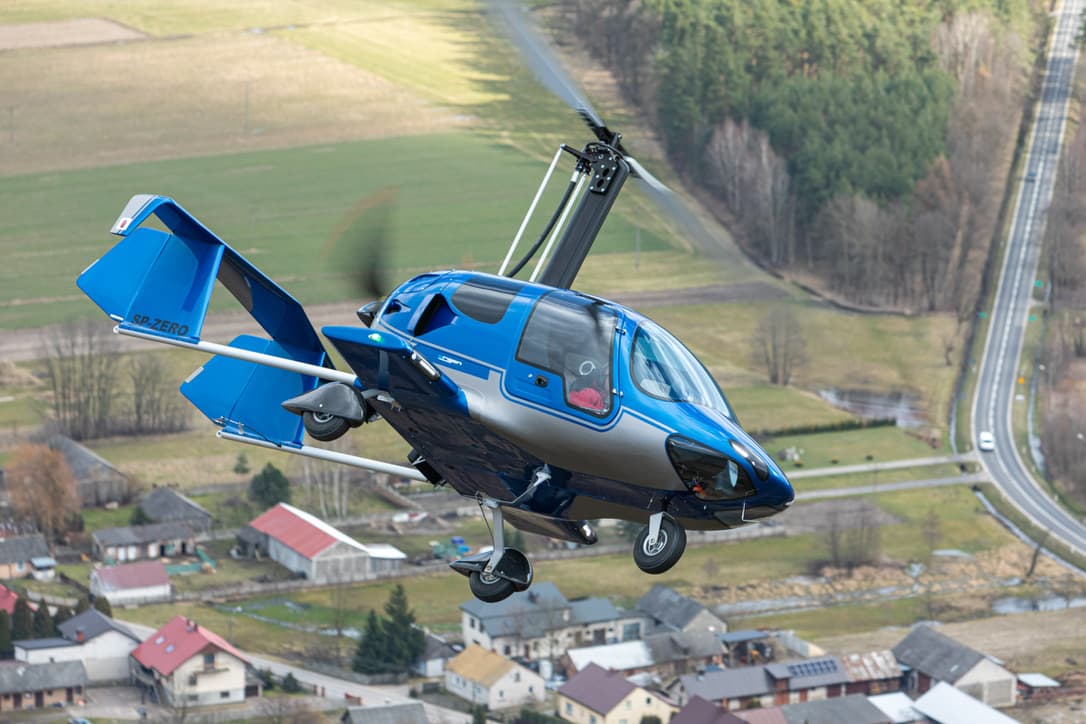
Coastal flights run from an airfield near Lagos in a two-seat gyroplane with an instructor - half an hour or a full hour, no licence, no experience, nothing to bring. A gyroplane flies low and slowly and has no wing in the way, which is exactly what you want when the point of the trip is to look at something. Whoever came with you can watch the whole thing from the ground.
If you would rather hover in one spot over the Benagil cave, a helicopter tour is the aircraft that does that, and we have compared the two honestly elsewhere. And one detail worth knowing: a flight with an instructor is logged and counts towards a pilot licence, which no boat trip does.
Done the beaches already? There is a separate list of the unusual things across the whole Algarve.
Beyond the town
Cabo de Sao Vicente and Sagres, about forty minutes west - a lighthouse on cliffs above open ocean at the south-western corner of Europe, where for centuries the known map stopped. Windy, bleak and unforgettable.
Benagil and the Seven Hanging Valleys to the east: the sea cave with the hole in its roof, and one of the best coastal walks in Portugal running along the clifftops above it.
Monchique and Foia inland - the ridge behind the coast and the highest point in the Algarve. Worth the drive for the view, and worth knowing about even if you do not go: that ridge is why the beaches get 450 to 550 mm of rain a year while the hills behind take 900 to 1,200.
Practical notes
Where to stay. The old town if you want to walk to dinner; Praia da Luz a few kilometres west if you want somewhere quieter with a beach at the bottom of the road.
When. August is hot and full. May, June, September and October are the good months, and the shoulder season here runs far longer than most of Europe - the Monchique ridge keeps the cold north-westerlies off, which is why flyable days run right through the year.
Booking a flight. Ahead rather than on the day - there is one aircraft and one instructor. Mornings are usually the better slot; late light is the better photograph.
And if the half hour turns out to be the start of something rather than an afternoon out - it does for a fair number of people - the same coast is where the whole UK licence gets done in about four weeks, and the aircraft themselves are what we do the rest of the year.
Frequently asked questions
What is Lagos, Portugal best known for?
Ponta da Piedade - the headland where the Atlantic has cut the cliffs into golden stacks, arches and sea caves - and the cove beaches beneath the cliffs beside it: Praia do Camilo, Praia Dona Ana and Praia do Pinhao. Behind the beaches there is a walled old town with a seventeenth-century fort and a marina that boats leave from all day.
What is there to do in Lagos when it rains?
The old town does rain well: the fort, the baroque interior of the Igreja de Santo Antonio, the municipal market and the restaurants inside the walls. It rains less than visitors expect - the coast takes 450 to 550 mm a year against 900 to 1,200 in the Monchique hills behind it, because the ridge keeps the weather off. Flying is a fair-weather activity, but fair weather here is most of the year.
What can you do in Lagos for free?
The best things here cost nothing. The clifftop path from town out to Ponta da Piedade, the walk down to any of the coves, the whole four kilometres of Meia Praia, and the old town streets in the evening. Sunset from the Ponta da Piedade clifftop is the one people remember and it has no admission.
Is Lagos good with children?
Yes, with one caution: the famous cove beaches are reached by long cliff staircases, which is hard work with small children and impossible with a pushchair. Meia Praia is flat, wide and walk-on. The grotto boats suit most ages, and the water in the coves is calm and clear for snorkelling.
Can you fly over the coast from Lagos?
You can. There is an airfield near Lagos, and coastal flights run from it in a two-seat gyroplane with an instructor as a half hour or a full hour. No licence, no experience and nothing to bring. From the ground you see the top of Ponta da Piedade and from a boat you see it from the water - from the air you see the shape of the whole thing at once, which most visitors never do.