

Should I Fly a Gyrocopter?
A 2026 answer to a question first asked in 1999
In a recent issue of Flight Training News (Instructor Notes, 10 July 2026), instructor and author Helen Krasner tells a story from around 1999: halfway through a helicopter licence and wincing at the cost, she discovered autogyros - trial lesson on a windswept Cumbrian airfield, a two-seat VPM M16T, an easy autorotation landing almost on the spot, and hours at roughly half the price of helicopter time. She loved it. And then she walked away - and a quarter of a century later still watches gyros fly overhead, wondering "what might have been".
What stopped her was not the aircraft. It was everything around the aircraft in 1999. That list is worth reading today, because every single item on it has been fixed.
1999 vs 2026
| What stopped a pilot in 1999 | What you find in 2026 |
|---|---|
| Seven instructors in the whole country; the nearest an overnight trip away | Established schools across the UK - and our fast-track training in the Algarve with flying weather all year |
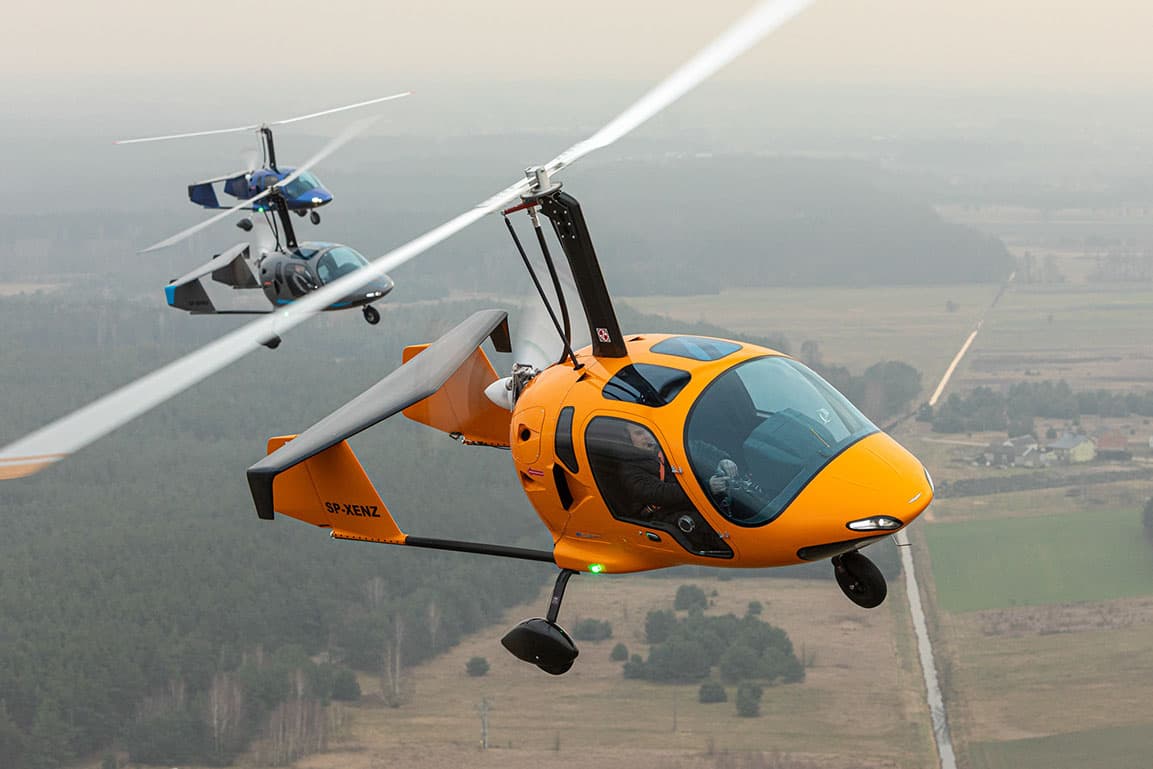
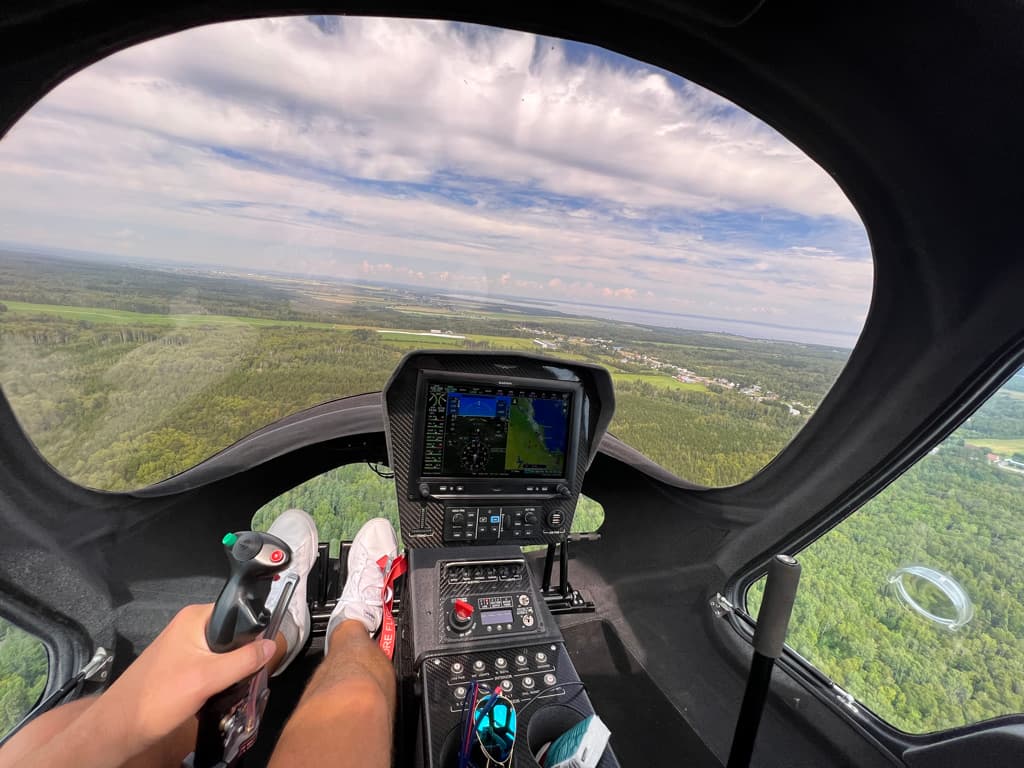
| An open cockpit, a borrowed flying suit sized for somebody else | A fully enclosed monocoque carbon fibre cabin, heated, with leather seats and a Garmin G3X glass cockpit |
| No parts, no support network, nobody nearby to ask | A factory Electronic Parts Catalogue, an online spare-parts store, and an official UK dealer on the phone |
| Airfields turning gyros away over noise | Modern four-stroke ROTAX engines and constant-speed propellers - among the quieter machines on the apron |
| Questions about whether a woman could fund her own flying | The only question anyone asks now: what colour do you want yours in? |
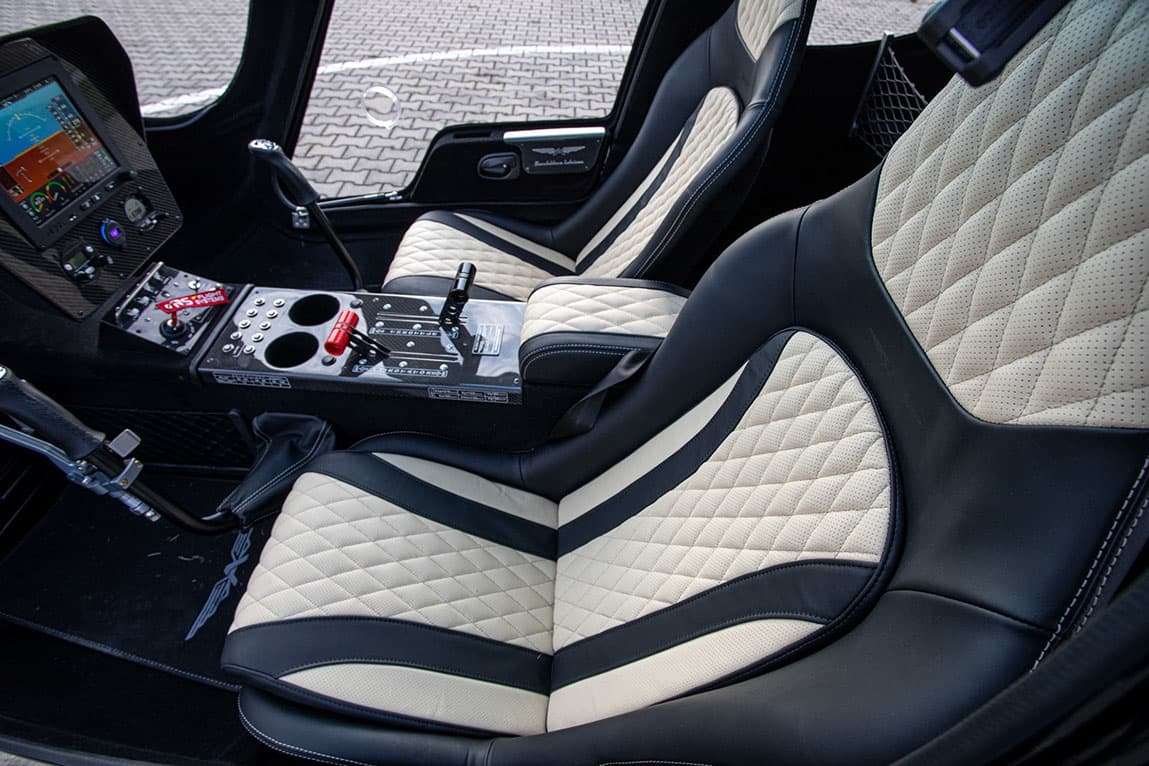
Want proof? See inside our training gyroplanes - students fly them in jeans and trainers, and there is a video of the spot landing that makes it all worth it.
"But they're slow" - about that
The honest part first: a gyroplane will not race an airplane. What the cruise figures never tell you is what the ride feels like. A gyro's rotor carries its load on a small, highly loaded disc - so the gusts and thermals that hammer a light airplane on a summer afternoon barely register. Where fixed-wing pilots tighten their straps, a gyronaut just flies. No stall, no spin, landing almost on the spot into any reasonable wind - the same qualities that impressed a sceptical helicopter student in 1999 are engineered even deeper into today's machines. We cover the physics in Are gyrocopters safe?
The cost argument, 25 years on
The arithmetic that tempted a helicopter student in 1999 has not changed: gyroplane hours still come in at around half the cost of helicopter hours, and running a modern gyro - on ordinary petrol at ~25 litres per hour - stays refreshingly sane. We publish the real figures in our UK price guide. Back then the CAA answered licence questions on the spot; today the route is well-trodden - the PPL(G) takes a minimum of 40 hours, less with an existing licence, and our intensive Algarve course compresses the calendar with two flights a day and year-round weather.
Don't wait 25 years to find out
The saddest line in the FTN column is the last one - a pilot watching gyros overhead, still wondering. The question "should I fly a gyrocopter?" has a one-hour answer: a trial flight. If it grips you the way it gripped a helicopter student on a windswept airfield in 1999, everything that stopped her then will not stop you now.
With appreciation to Helen Krasner and Flight Training News (ftnonline.co.uk, issue 448) for a story every gyro pilot should read.
Frequently asked questions
Should I fly a gyrocopter?
If you want rotary-wing flying with fixed-wing simplicity - short takeoffs, near-spot landings, superb wind tolerance and running costs around half of a helicopter's - a gyrocopter is one of the most rewarding aircraft you can fly. A trial flight answers the question better than any article.
Are gyrocopters slower than helicopters and airplanes?
Modern gyroplanes cruise more slowly than comparable airplanes - but the ride is remarkably smooth. The rotor's high disc loading shrugs off gusts and thermals that bounce light airplanes around, so on a blustery day the gyro is often the most comfortable aircraft at the airfield. And unlike both, it cannot stall or spin.
How much does it cost to learn to fly a gyrocopter?
Gyroplane hours typically cost around half of helicopter hours - the same ratio that tempted pilots 25 years ago. A UK PPL(G) requires a minimum of 40 hours (less with an existing licence); our partner school's intensive Algarve course compresses the calendar time dramatically.
Is a gyrocopter safe in an engine failure?
The rotor of a gyroplane is always in autorotation - the state a helicopter pilot must enter in an emergency is simply how a gyro flies all the time. If the engine stops, the machine descends in a steady glide and lands almost on the spot.