

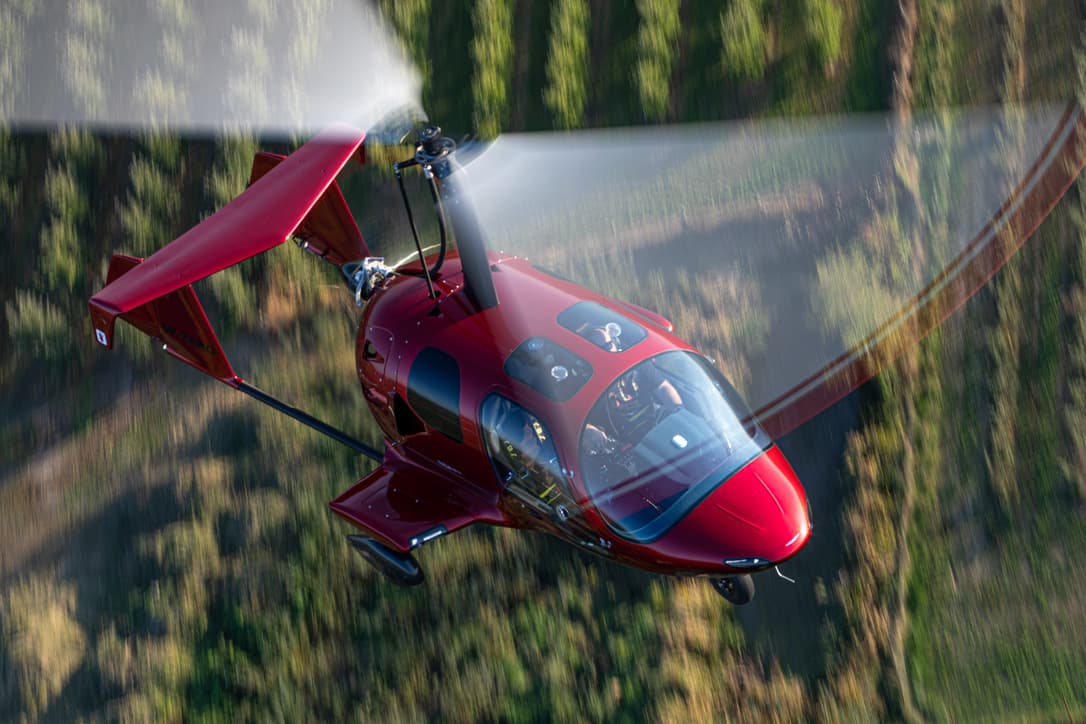
ARGON GTL UK Certification
Where it stands, and what comes next
The ARGON GTL is not yet certified in the UK, and it is one step away: the factory has held CAA A8-21 Factory Approval since 14 August 2026, and on 31 October 2026 Manufaktura Lotnicza reported that the flight test programme with British test pilot Chris Taylor was complete, with every planned sortie flown. What remains is type certification of the aircraft under BCAR Section T. When that is granted, factory-built GTLs can be delivered to UK owners. Neither the manufacturer nor Argo Aero UK has put a date on it. Argo Aero UK is the official UK dealer for Manufaktura Lotnicza, which designs and builds the ARGON in Poland - so treat this page as an interested party reporting on its own supplier; this page is updated at every step.
The road so far
2009
Manufaktura Lotnicza begins designing and building gyroplanes and helicopters in Poland.
2018
Rotor manufacture comes in-house, making the factory a full-cycle manufacturer.
Before the UK
The ARGON GTL holds type certification or acceptance in six countries: Germany (DAeC #66263), Poland, France, India, Turkey and Georgia.
14 August 2026
The UK CAA grants Manufaktura Lotnicza A8-21 Factory Approval.
August - September 2026
The British Rotorcraft Association magazine and the LAA's Light Aviation report the approval.
Autumn 2026
Flight testing of the ARGON GTL for UK certification, flown by British test pilot Chris Taylor.
31 October 2026
Manufaktura Lotnicza reports the flight test programme complete: every planned sortie flown, the flight envelope expanded, and the aircraft tested at its 600 kg maximum all-up weight.
Now - in progress
Type certification of the ARGON GTL under BCAR Section T.
Then
Factory-built, certified ARGON GTLs delivered to UK owners.
What the manufacturer reported on 31 October 2026
On 31 October 2026 Manufaktura Lotnicza published the outcome of the flight test programme on its own Facebook page. The tests were flown over several days with British test pilot Chris Taylor, and the factory describes the whole route to BCAR certification - which required Production and Design Organisation Approvals from the UK CAA - as two years in the making.
The programme covered the full envelope: taxi and pre-rotate procedures; take-offs into a headwind and climbs at Vy, including climbing turns; level flight across the speed range to establish Vmin and minimum control speed; throttle chops to simulate engine failures; steep turns to 60 degrees of bank to measure stick force per g; flights to Vne plus 5 to 10 per cent and dive testing to Vdf; flight without the engine, including in-flight restarts; and a series of landings running from normal, through idle and slower-than-normal approach speeds, to landings with the engine completely stopped. All of it was flown both at the 600 kg maximum all-up weight and in lightweight configuration.
Every planned sortie was completed and the flight envelope expanded. The factory's own words for where that leaves certification are the "home stretch", with the certificate "well within reach". We are not going to improve on that by adding a date, and neither did they.
What a certification flight test is for
Factory approval establishes that the aircraft is built the same way, to the same standard, every time. Flight testing is where the aircraft itself is checked in the air: an independent test pilot flies it to confirm that its handling, its performance and the limits written in its flight manual are what the paperwork says they are, against the UK's gyroplane code. We explain that code, and the two-stage route, in what is BCAR-T.
The test pilot
The tests are flown by Chris Taylor of Dovetail Aviation. A former Royal Navy helicopter pilot, he graduated from the Empire Test Pilots' School at Boscombe Down and later tutored there, then spent ten years as an experimental test pilot with the UK CAA, flying rotorcraft from the largest civil helicopters down to homebuilt autogyros. He is a Category 1 test pilot for aeroplanes and helicopters, a Fellow of the Society of Experimental Test Pilots, has flown more than 400 aircraft types, and wrote Test Pilot, an account of that career.
How the factory approval was reported
The CAA A8-21 Factory Approval was carried by the British Rotorcraft Association magazine in August 2026 and by Light Aviation in September. Both carried our announcement rather than an independent test, and we say so.
Frequently asked questions
Is the ARGON GTL certified in the UK?
Not yet, and it is one step away. The factory holds UK CAA A8-21 Factory Approval, granted on 14 August 2026, and on 31 October 2026 Manufaktura Lotnicza reported that the flight test programme with British test pilot Chris Taylor was complete, with every planned sortie flown. What remains is type certification of the aircraft under BCAR Section T. The ARGON GTL is already certified or accepted in six other countries, including Germany and Poland.
What is left before UK deliveries?
Type certification under BCAR Section T. The flight testing that feeds it was completed in October 2026. Once the type is certified, factory-built ARGON GTLs can be delivered to UK owners. Neither the manufacturer nor Argo Aero UK has put a date on the certificate, and this page is updated at each step.
Who flew the certification flight tests?
Chris Taylor, named by Manufaktura Lotnicza in its own announcement of 31 October 2026: a Category 1 test pilot for aeroplanes and helicopters, a Fellow of the Society of Experimental Test Pilots and a former UK CAA experimental test pilot.
What was tested in the flight test programme?
According to the manufacturer's published account, the full envelope: taxi and pre-rotate procedures, take-offs into a headwind and climbs at Vy including climbing turns, level flight across the speed range to establish Vmin and minimum control speed, throttle chops to simulate engine failures, steep turns to 60 degrees of bank to measure stick force per g, flights to Vne plus 5 to 10 per cent and dive testing to Vdf, flight without the engine including in-flight restarts, and a series of landings from normal through idle and slower-than-normal approaches to landings with the engine completely stopped. The programme was flown both at the 600 kg maximum all-up weight and in lightweight configuration.