

Chewed Teeth
What a worn pre-rotator ring gear says about pilot training
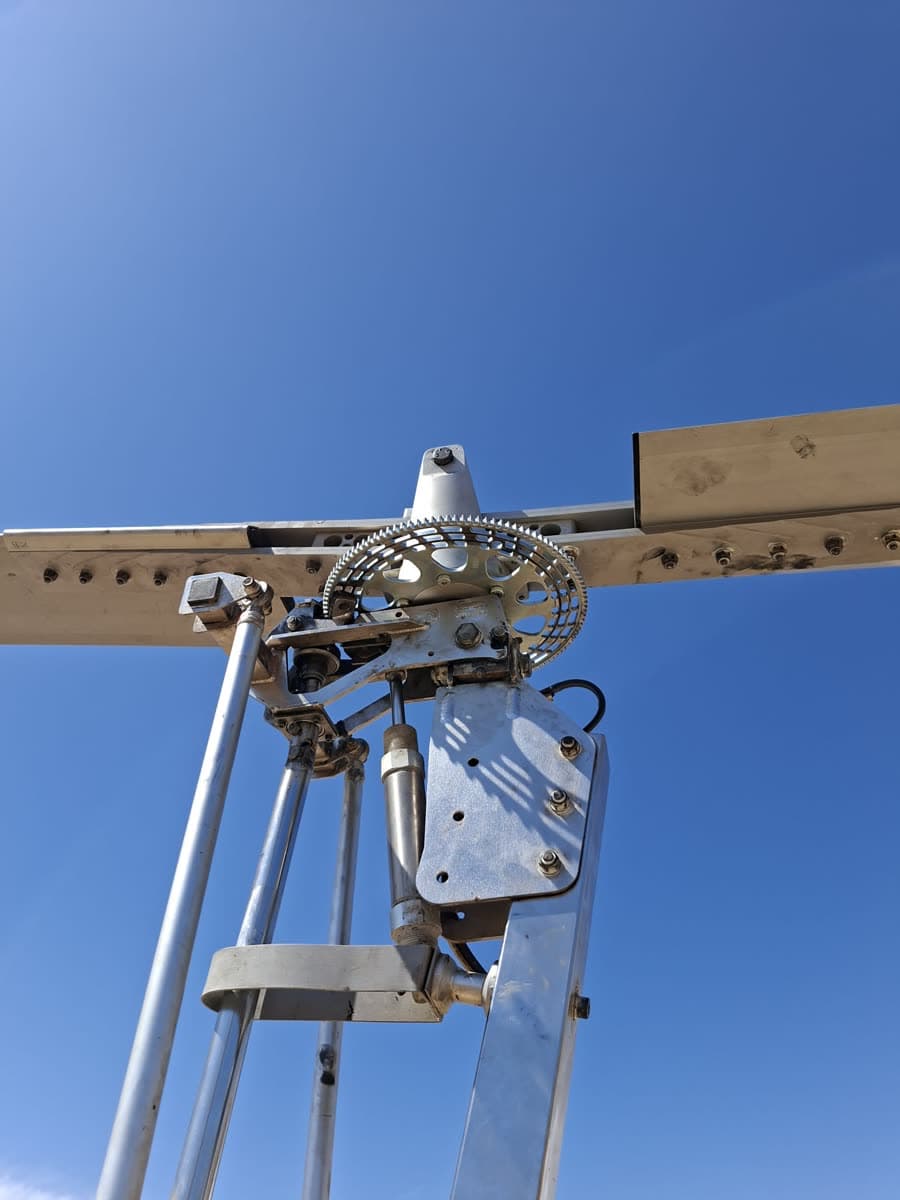
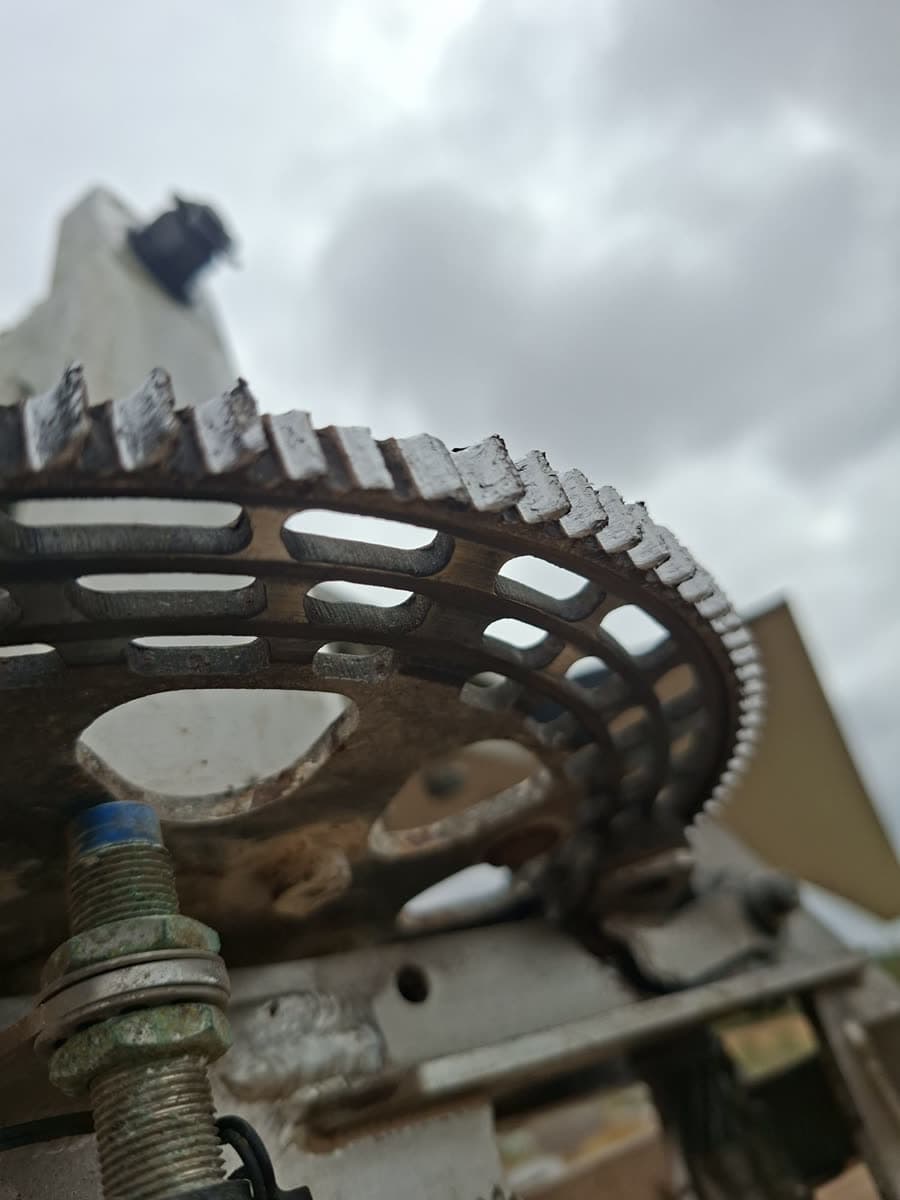
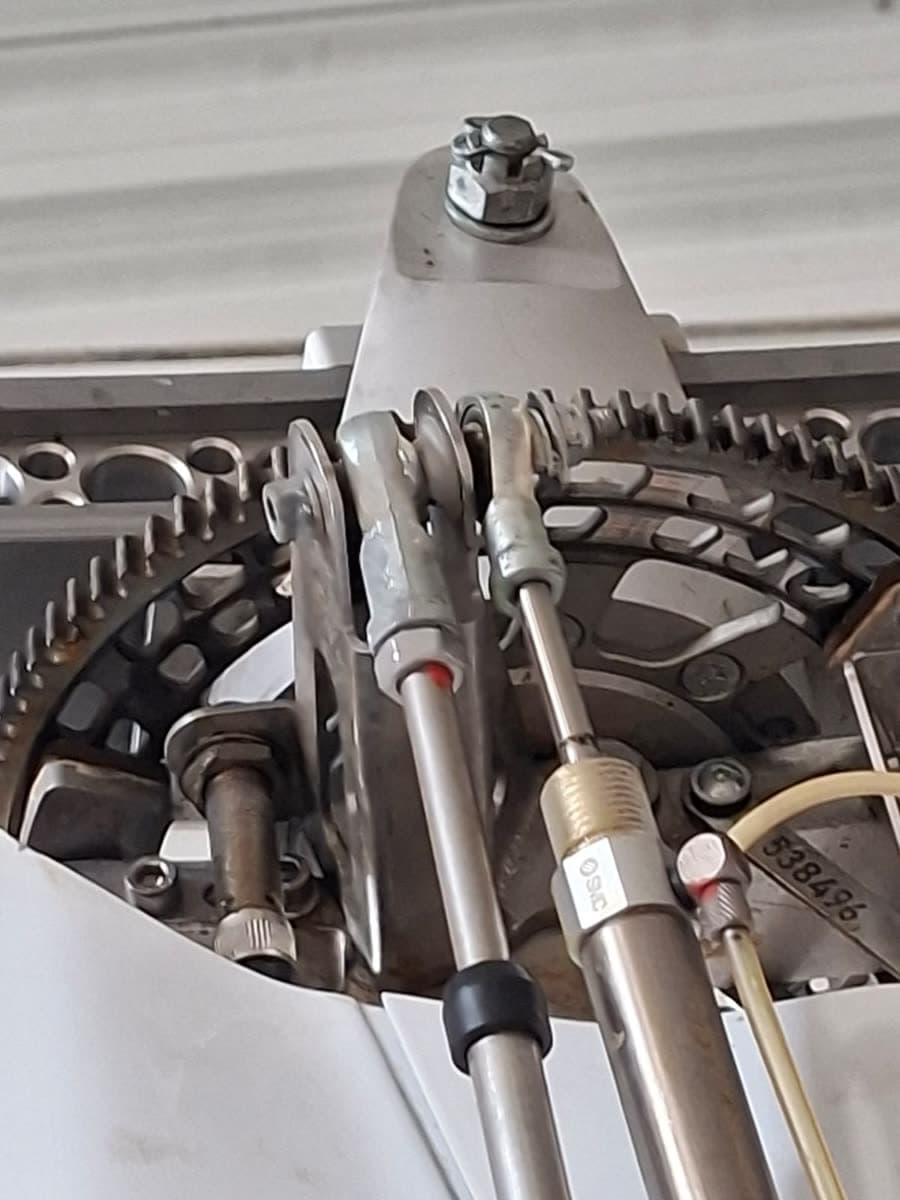
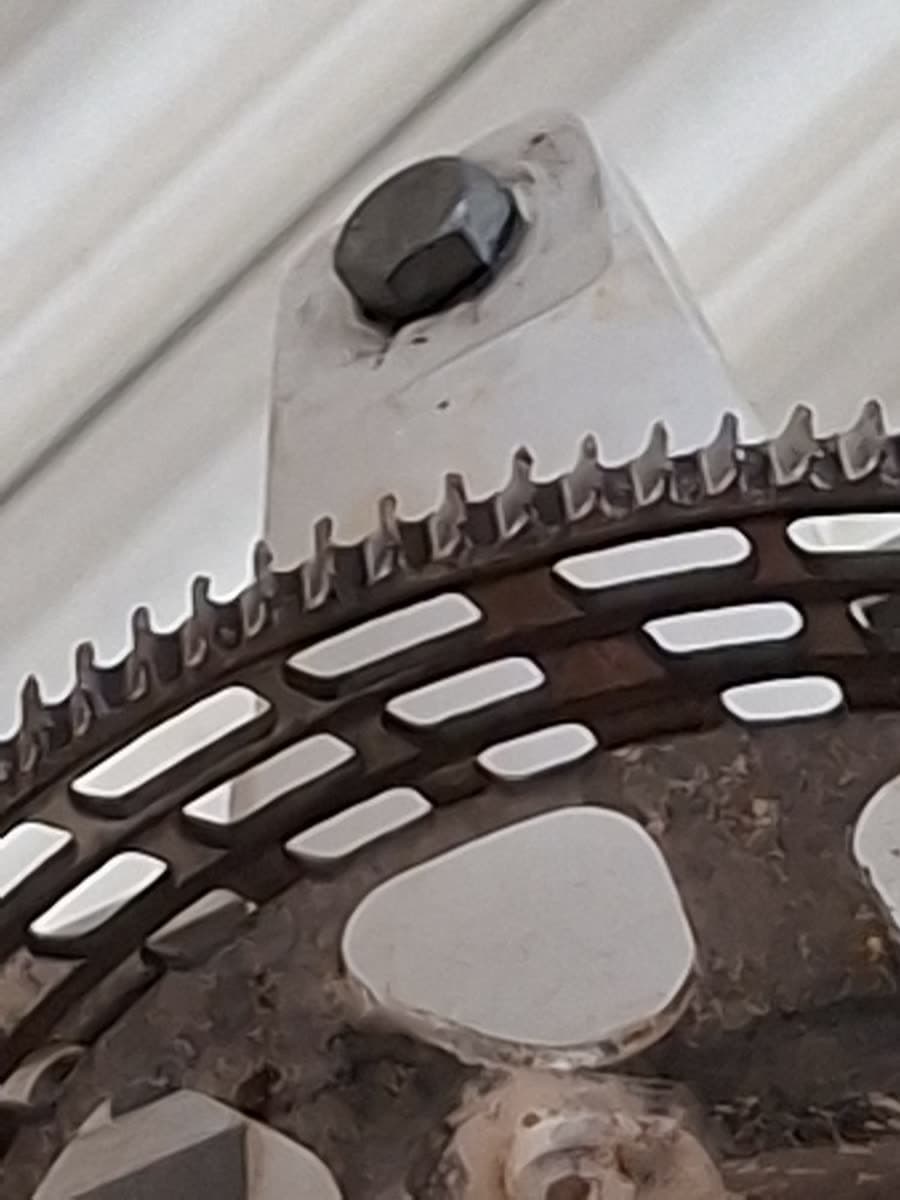
The photos in this article are real, taken in the field. What you are looking at is the pre-rotator ring gear - the toothed ring on a gyroplane's rotor head - on two different machines. On one, the teeth are crisp and sharp. On the other, they have been chewed halfway to nothing. Nobody crashed anything; somebody just kept engaging the pre-rotator carelessly, one rough start at a time.
What the pre-rotator does
A gyroplane's rotor is not powered in flight - it turns by autorotation, driven by the air flowing up through it. But a stationary rotor will not start turning by itself. Before takeoff, the pre-rotator borrows engine power for a few seconds: a pinion swings in, meshes with the ring gear on the rotor head, and accelerates the rotor to takeoff RPM. Then it disengages - and from that moment to touchdown, the gear train does absolutely nothing. That is the whole point of a gyro: the rotor needs no engine once it is flying.
How teeth get eaten
Ring gears do not wear out on their own - they get chewed. Engage the pinion at too high an engine RPM, engage it while the rotor is already spinning, rush the sequence your instructor taught you - and steel grinds off the teeth, a little every time. It is a habit problem, and habits are exactly what flight training exists to build. This is our honest argument in the 15 hours vs 40 hours debate: a 15-hour French licence can teach you to fly; the UK's 40 hours teach you to operate - including the unglamorous ground discipline that keeps parts like this alive. Machines maintained and flown by trained hands simply do not look like the right-hand photo.
Why it will not hurt you - and how it strands you
Here is the reassuring part: a worn ring gear is not a flight-safety problem. The pre-rotator works only on the ground; in the air the rotor autorotates and the gear carries no load at all. You will not fall out of the sky because of chewed teeth.
The trap is subtler. Fly out to a friend's strip, a beach airfield, a fly-in two hundred miles from home - and try to leave. If the pinion cannot grip what is left of those teeth, the rotor will not spin up, and no amount of pushing will fix that. Your aircraft is now waiting for a mechanic or a trailer. A part that never endangers you in flight can still end your flying weekend - and that is exactly the kind of lesson good training drills in before it costs you.
The fix - and who should do it
Replacing a ring gear is an approved owner-maintenance job on the ARGON - the part is right there in the factory's Electronic Parts Catalogue, and the design anticipates it. But gear mesh and alignment decide how long the new ring lasts, and a chewed ring is usually accompanied by a tired Bendix pinion and flex shaft - so our honest advice is to let professionals do it. Bring the aircraft to our service and we will replace the ring gear, inspect the whole pre-rotator drive - and look over the engine while it is in, so you leave with one less thing to think about.
Frequently asked questions
What is a gyrocopter pre-rotator?
A mechanical drive that spins the rotor up to takeoff RPM while the aircraft stands still: a pinion engages a toothed ring gear on the rotor head, the engine accelerates the rotor, then the drive disengages and the takeoff is flown in autorotation. In flight the pre-rotator does nothing - the airflow keeps the rotor turning.
Is a damaged pre-rotator ring gear dangerous in flight?
No. The pre-rotator is only used on the ground before takeoff; in flight the rotor turns by autorotation and the ring gear carries no load. The danger is practical, not aerodynamic: land somewhere away from base and you may not be able to spin the rotor up again - the aircraft is stranded until it is repaired or trailered home.
How does a pre-rotator ring gear get damaged?
Almost always by careless engagement: clutching the pinion in at too high an engine RPM, engaging while the rotor is already turning, or letting go of the technique the instructor taught. Each rough engagement chews a little metal off the teeth - the damage is cumulative.
Can I replace a pre-rotator ring gear myself?
On an ARGON, yes - the design anticipates owner maintenance and the part is in the factory's Electronic Parts Catalogue. But alignment and gear mesh matter, and the Bendix pinion and flexible shaft should be inspected at the same time - which is why we recommend having it done professionally, with an engine check while the aircraft is in.