

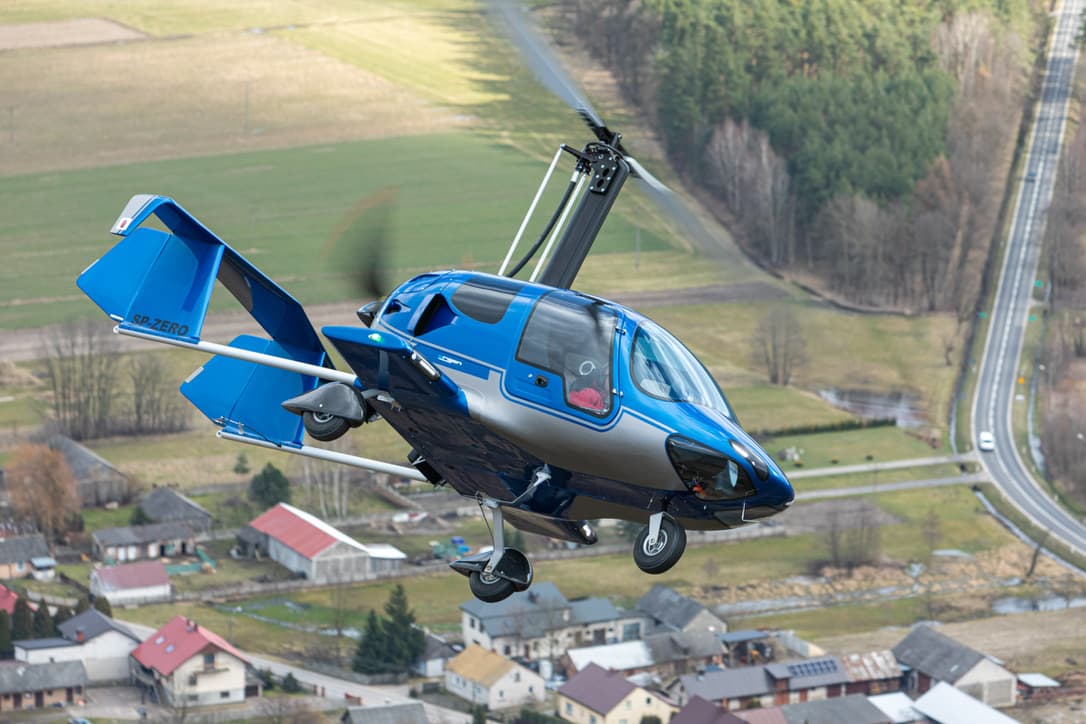
Is the Algarve Worth Visiting in Winter?
Five to six hours of sunshine a day in January - more than Britain gets in June
The short answer is yes, with one condition: not if you came to lie on a beach. The sea is cold, the sunbeds are stacked, and half the bars in Albufeira are shut until Easter.
Everything that is not sunbathing is better now than in August - the paths are empty, the hotels are half price, and the light is the best of the year.
The numbers
| Daytime | Hours of sun | Rain in the month | |
|---|---|---|---|
| December | 16 °C | 5 | About 100 mm |
| January | 16 °C | 5 to 6 | About 70 mm |
| February | 18 °C | 6 | About 70 mm |
| March | 19 °C | 7 | Falling away |
Read the middle column twice. Five to six hours of sunshine a day in January is more than the United Kingdom averages in June. The rain arrives in short bursts across ten or twelve days rather than settling in for a fortnight, and evenings drop to about 8 °C - a coat, not a parka.
There is a geographical reason. The Serra de Monchique stands between the coast and the Atlantic weather coming down from the north-west, and takes most of it: the hills get 900 to 1,200 mm of rain a year while the beaches below get 450 to 550.
What actually works in winter
Walking. The cliff paths - the Seven Hanging Valleys, the coast out to Ponta da Piedade, the whole western shore - are cool, empty and at their best. In August they are hot and full.
Surfing. The Atlantic swells are biggest and most consistent now. The west coast beyond Sagres is where they land.
Birds. Ria Formosa sits on the migration route between Africa and Europe, and winter is the season it is famous for. Flamingos on the salt pans, and hides that are empty of people.
Golf. February and March are among the best months of the year for it here, which is why the courses fill with northern Europeans escaping their own winter.
And flying. Which is ours, so read on with that in mind.
Why winter is a good time to fly the coast
A gyroplane flight is day VFR - a genuinely wet day cancels it, and we will not pretend otherwise. The point is how few of those days there are.
Two things make winter better than people expect. The air is clearer. Summer along this coast brings haze; a bright January day gives visibility down the coastline that August often does not. And the light is low all day rather than only at the end of it, so the cliffs at Ponta da Piedade have shadow and relief in them from mid-morning onwards instead of being flattened by a midday sun.
Coastal flights run from an airfield near Lagos as a half hour or a full hour, with an instructor - no licence, no experience, and in winter no queue. Among the unusual things to do here it is the one almost nobody knows is possible.
And the reason our flying school is here
This is not a coincidence of geography we noticed afterwards. The UK gyroplane licence takes 40 hours, and flown at British weekends that becomes six months or a year - because a British January produces almost no flyable weekends at all.
On this coast the same 40 hours takes about four weeks, and it splits into two fortnights - two winter holidays, at half the summer hotel price, with a licence at the end of them. A valid Class 2 medical has to be arranged before you travel - why, and what each licence needs after 50, is in is 50 too old to learn to fly?
Practical notes
Bring a coat and something waterproof, and do not expect to swim. Book the flight ahead - there is one aircraft and one instructor - but in winter you will usually get the slot you asked for. If a day is genuinely wet the flight moves rather than being lost, which is far easier to arrange out of season than in August.
Frequently asked questions
Is the Algarve worth visiting in winter?
Yes, if you want anything other than a beach holiday. January averages about 16°C by day with five to six hours of sunshine, February about 18°C and six hours. Rain comes in short bursts across ten or twelve days a month rather than settling in. Hotels run up to half the summer price, the cliff paths are empty, and everything that is not sunbathing works better than it does in August.
What is the weather like in the Algarve in January?
Mild and bright rather than warm. Around 16°C in the afternoon and about 8°C after dark, five to six hours of sunshine on an average day, and roughly 70 mm of rain spread over ten to twelve days. Showers tend to be short. The coast is markedly drier than the hills behind it - 450 to 550 mm a year against 900 to 1,200 in the Monchique range, because the ridge takes the weather.
What is there to do in the Algarve in winter?
Walking, which is genuinely better in winter than in summer - the cliff paths are cool and empty. Surfing, because the Atlantic swells are at their biggest. Birdwatching at Ria Formosa, which sits on the migration route between Africa and Europe and is at its best now. Golf, with February and March among the best months for it. Boat trips to Benagil on the good days. And flying the coast, which is what we do.
Can you fly over the Algarve coast in winter?
Yes, and it is one of the better times. Five to six hours of sunshine a day in January is more than Britain manages in June, and the air is clearer in winter - the visibility along the coast is often better than in the summer haze. Flights are day VFR, so a wet day cancels; the point is that here there are far fewer of them than people assume.
Is winter a good time to train for a pilot licence in the Algarve?
It is the reason our course is here rather than in Britain. The UK gyroplane licence takes 40 hours, and flown at British weekends the weather stretches that to six months or a year. On this coast the same 40 hours takes about four weeks - and winter is when the difference is largest, because a British January produces almost no flyable weekends at all.